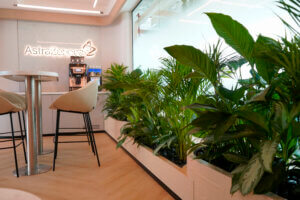
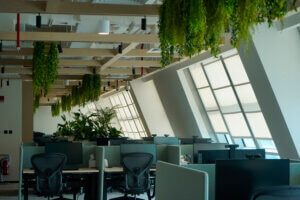
Every year, the same thing happens across commercial spaces in Dubai and the wider UAE. A beautifully installed landscape that looked pristine in February starts to show signs of stress by July. Leaves yellow. Growth slows. Plants that were once a defining feature of a lobby or office become something people walk past without noticing — for the wrong reasons.
The UAE summer is not just hot. It creates a set of conditions that quietly work against indoor plants from multiple directions at once. Understanding what those conditions are — and what they do — is the first step to making sure your green investment survives the season intact.
The Real Problem Isn't Just the Heat
Most people assume direct heat is the main threat to indoor plants during summer. In reality, the bigger culprit is the combination of extreme heat outside and aggressive air conditioning inside.
When outdoor temperatures push past 43°C and HVAC systems are running at full capacity, indoor environments shift dramatically. Cold air blasts from ceiling units create temperature inconsistencies across a room. Humidity drops to very low levels. Air circulation patterns change. For many tropical and subtropical plant species — the kind most commonly used in commercial interiors — these are exactly the conditions that trigger stress responses.
What this looks like in practice: drooping leaves that don’t recover overnight, browning leaf tips, sudden leaf drop, root stress from inconsistent watering cycles, and pest activity that takes advantage of weakened plants.
Four Specific Threats the UAE Summer Creates
AC-Induced Dehydration
Air conditioning removes moisture from the air. In a well-sealed commercial space running continuous cooling from June through September, relative humidity can drop to levels that most indoor plants are not adapted to tolerate. The result is accelerated moisture loss through leaves, which no amount of regular watering fully compensates for.
Root Zone Temperature Stress
While the air inside may be cool, planters placed near glass facades, windows, or sun-facing walls absorb radiant heat. Soil temperatures rise even when the room feels comfortable. This stresses root systems and disrupts nutrient absorption — a problem that often isn’t visible above soil level until significant damage has already occurred.
Disrupted Maintenance Schedules
Summer in the UAE also affects operations. Teams are stretched. Staff take leave. On-site visits to commercial properties may be less frequent. For landscapes without a professional maintenance contract in place, this often means watering schedules slip, pest checks are skipped, and early warning signs go unaddressed until they become full replacements.
Increased Pest Pressure
Dry, stressed plants are significantly more vulnerable to spider mites and scale insects — both of which thrive in hot, low-humidity environments. A healthy plant can resist minor infestations. A stressed plant in summer cannot.

Staying Ahead of It: What Proactive Maintenance Covers
The businesses that come out of summer with their landscapes intact are not lucky. They have a professional maintenance programme in place that adjusts to the season.
Effective summer maintenance for indoor commercial landscapes typically includes:
- Adjusted watering schedules that account for increased moisture loss from air conditioning
- Regular humidity monitoring and intervention in critical zones
- Root zone checks to identify heat stress before it becomes visible
- Scheduled pest inspections with eco-friendly treatment where needed
- Seasonal plant health assessments with proactive replacements before plants decline visibly
- Positioning adjustments — moving sensitive species away from glass facades or direct AC vents
This is not work that can be effectively done on an ad hoc basis. By the time a facility manager notices a plant is struggling, the damage is usually already significant. Prevention requires regular, professional eyes on the landscape throughout the season.
What Neglect Costs vs. What Maintenance Costs
Replacing a large indoor plant or a section of a green wall is not cheap. Neither is the reputational cost of a visibly neglected landscape in a premium commercial space — whether that’s a hotel lobby, a DIFC office reception, or a retail environment where first impressions matter.
A professional maintenance contract spreads the cost of care across the year and eliminates the unpredictable expense of reactive replacements. For most commercial properties in the UAE, it is the more cost-effective option — particularly heading into the season that puts the most pressure on plant health.
The Bottom Line
The UAE summer is predictable. It arrives the same time every year and creates the same challenges for indoor landscapes. The businesses that protect their green investment are those that plan ahead — putting a professional maintenance programme in place before June, not after plants start showing signs of stress.
If your current maintenance setup isn’t built around the specific demands of the UAE climate, now is the time to review it.