When budgets are reviewed and line items are scrutinised, professional plant maintenance is often one of the first things that gets cut or deferred. It can seem like a discretionary spend — something that can be paused, reduced, or handed off to in-house staff without meaningful consequence.
In the UAE, this is a particularly costly assumption. The climate, the expectations of commercial tenants, and the high standards of the built environment here mean that a neglected landscape does not quietly deteriorate. It fails visibly, quickly, and in ways that affect far more than just the plants.
What You're Actually Paying For With a Maintenance Contract
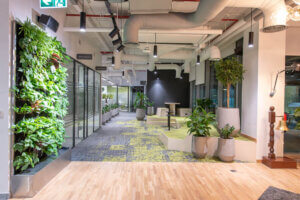
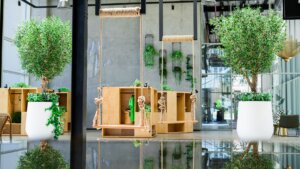
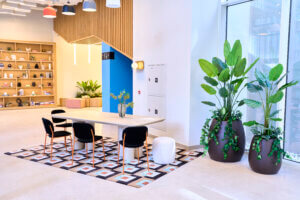
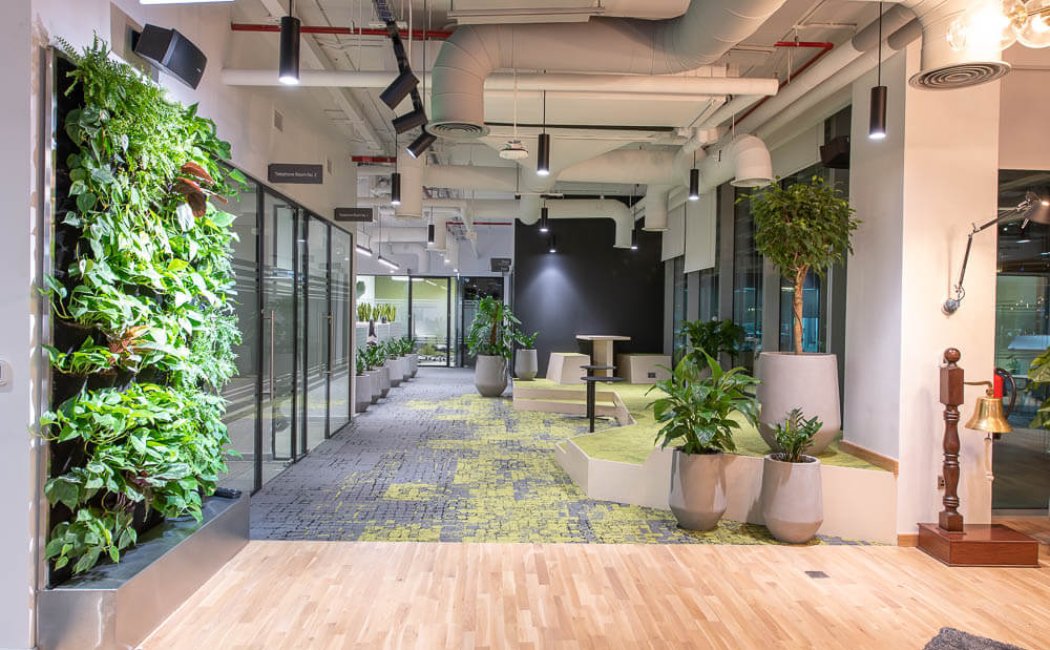
Professional plant maintenance in a commercial setting is not simply watering and occasional pruning. For a landscape installed to a high standard — the kind that was specced by an interior designer, delivered as part of a fit-out, or featured in marketing material for a property — ongoing maintenance is what protects that investment.
A structured maintenance programme covers:
- Regular health assessments to identify stress, disease, or pest activity before it spreads
- Seasonal adjustments to watering, fertilisation, and care routines based on UAE climate conditions
- Proactive replacement of plants showing signs of decline, before visible deterioration
- Artificial plant cleaning and polishing to preserve the look of faux installations
- Professional reporting so facility managers have visibility on landscape condition
Removing these from the budget does not eliminate the costs — it converts them from planned, predictable expenditure into unpredictable, reactive expenditure.
The Three Costs Facility Managers Underestimate
Replacement Cost
Indoor plants — particularly the mature, statement specimens used in high-end commercial fit-outs — are not inexpensive to replace. A large Ficus, a specimen Dracaena, or a section of a living wall that has failed due to neglect can cost significantly more to replace than a full year of professional maintenance would have. When plants decline gradually without intervention, facility managers often face the need to replace multiple plants at once, compounding the cost further.
Brand and Perception Cost
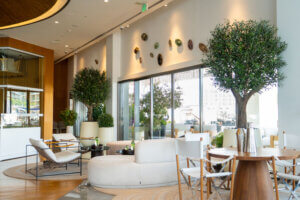
In premium commercial spaces across Dubai — DIFC offices, hotel lobbies, retail environments, corporate headquarters — the quality of the landscape is part of the brand presentation. Yellowing plants, sparse arrangements, or visibly artificial plants that have dulled and gathered dust communicate neglect. For tenants, guests, and clients moving through these spaces, the impression is immediate and difficult to reverse.
This is not a soft cost. In competitive commercial real estate, presentation affects tenant retention. In hospitality, it affects review scores and repeat visits. In retail, it affects dwell time and spend. The landscape is not decoration — it is infrastructure.
The Cost of Reactive Emergency Work
When plant maintenance is deferred and a landscape reaches a point of visible failure, the response is typically urgent and expensive. Emergency plant replacements carry higher costs. Infestations that were not caught early may require treatment across a wider area. Soil that has been improperly managed may need full replacement. What a regular maintenance visit would have prevented in thirty minutes now requires a full day of remediation work.

A Note on the UAE Climate Specifically
The UAE summer — running from roughly June to September — places indoor landscapes under conditions that are more demanding than most other regions. Extreme external heat combined with aggressive internal air conditioning creates a cycle of temperature and humidity stress that accelerates plant decline in spaces without proper care. A landscape that looks excellent in February may show significant deterioration by August without professional intervention.
Year-round, the environment here demands a higher standard of maintenance than comparable commercial spaces in more temperate climates. Facility managers who manage properties across multiple regions should not assume that the same maintenance cadence that works elsewhere is sufficient in the UAE.
What a Well-Managed Maintenance Contract Looks Like
The most effective maintenance contracts for commercial properties in the UAE are built around regular scheduled visits, clear scope of work, and defined response times for reactive needs. They include:
- A fixed schedule of visits calibrated to the size and complexity of the installation
- Clear accountability for plant health standards, with defined replacement policies
- A single point of contact familiar with the specific installation
- Transparent reporting after each visit
- Seasonal adjustments rather than a one-size-fits-all approach
For facility managers, this structure converts an unpredictable variable into a managed, budgeted line item. The landscape remains an asset rather than becoming a liability.
The Decision
Deferring professional plant maintenance in a UAE commercial space is not a saving. It is a transfer of cost — from the planned column to the reactive column — with a premium attached for urgency and the additional expense of brand damage in the interim.
For properties where the landscape was part of a deliberate design investment, the question is not whether maintenance is worth the cost. It is whether the alternative — reactive replacement, visible decline, and the operational disruption that comes with it — is an acceptable risk.
For most facility managers, it is not.