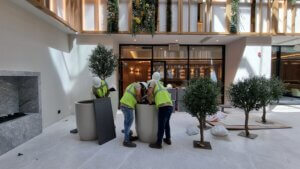
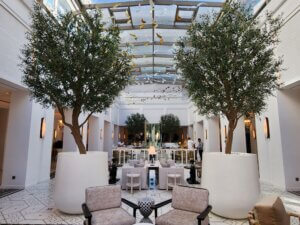
Dubai’s retail sector continues to redefine global standards of innovation and design. The city’s top shopping destinations are now prioritizing sustainability and customer experience through indoor landscape design. This growing trend highlights how integrating nature within retail environments can influence shopper mood, enhance brand perception, and drive long-term value.
As malls across the UAE compete for engagement and loyalty, creating sustainable and immersive experiences has become a key strategy. Green design is no longer just about aesthetics — it’s about shaping environments that connect emotionally with visitors and support business objectives.
The Shift Towards Sustainable Retail Design in the UAE
Understanding the evolution of mall architecture in Dubai
Mall architecture in Dubai has evolved from luxury-focused spaces to experience-driven environments. Initially, the emphasis was on grandeur and scale. Now, designers and developers are integrating nature, light, and sustainability to craft places that promote comfort and community connection.
This evolution reflects a deeper understanding of human behavior and environmental responsibility — where beauty, function, and sustainability coexist.
Sustainability as a competitive differentiator
Sustainability has become a defining factor for success in modern retail design. Malls that adopt eco-conscious principles are not only appealing to environmentally aware shoppers but also reducing their long-term operational costs. Green building certifications and sustainable materials are influencing new retail developments throughout the UAE.
The role of mall interior landscaping in modern retail design
Mall interior landscaping introduces elements of nature into controlled indoor environments. This includes live plants, water features, and natural lighting layouts that create sensory balance. By integrating these features, developers achieve both aesthetic and psychological benefits that enhance shopper satisfaction and dwell time.
What Is Mall Interior Landscaping and Why It Matters
Defining mall interior landscaping in the context of UAE retail
Mall interior landscaping is the art of blending natural design elements into indoor spaces to promote harmony and relaxation. It involves plant installations, green walls, and water-efficient irrigation systems that align with the UAE’s climate conditions. The objective is to make indoor environments feel fresh, open, and inviting.
Core design elements — greenery, light, and sensory balance
Successful mall landscaping depends on balance. Greenery adds texture and freshness. Natural and artificial lighting highlight architectural features. Sensory elements, such as the scent of plants and soft textures, help create a welcoming environment where shoppers feel at ease.
How top malls in Dubai are integrating indoor gardens and biophilic elements
Biophilic design encourages a connection with nature even in enclosed spaces. By integrating natural materials, patterns, and greenery, malls enhance the sense of calm and well-being among visitors. This design philosophy transforms shopping centers into destinations for leisure and relaxation, not just retail.
The Psychology Behind Green Shopping Centers
How plants and natural light affect shopper mood and perception
Studies show that exposure to natural light and plants can reduce stress and improve mood. Shoppers in well-lit, green environments tend to feel more comfortable and relaxed. This positive emotional response encourages longer visits and repeat engagement.
The science of biophilia and its role in consumer experience
Biophilia describes the innate human attraction to nature. When applied in retail design, it influences behavior by making spaces feel alive and comforting. Incorporating natural textures and organic forms enhances brand perception and builds emotional loyalty among consumers.
Impact of greenery on shopper dwell time and brand recall
A pleasant environment encourages visitors to stay longer. Green spaces naturally extend shopper dwell time, increasing the likelihood of purchases. Additionally, these environments improve memory recall — customers tend to remember stores and brands associated with calm, inviting surroundings.
Enhancing Shopper Experience Through Biophilic Design
Creating immersive, memorable environments
Immersive retail design engages all the senses. The use of plants, textures, and natural materials helps create a sensory journey that encourages exploration. This not only increases satisfaction but also strengthens emotional connections between visitors and the space.
The connection between green design and retail storytelling
Green design adds depth to the story a mall tells. Whether it represents innovation, sustainability, or community, the design becomes part of the brand narrative. Each space can express its identity through visual and sensory cues that align with the overall theme.
Encouraging social sharing and engagement through visual appeal
A visually engaging space inspires visitors to share their experiences online. Elements such as plant walls, water features, or curated greenery become share-worthy moments. This organic digital exposure enhances brand visibility and positions the mall as a lifestyle destination.
ROI of Green Spaces in Retail Environments
How mall interior landscaping impacts sales and footfall
A well-designed interior landscape increases both sales and visitor numbers. Shoppers are more likely to revisit and spend time in pleasant, natural surroundings. This creates consistent footfall and contributes to higher tenant satisfaction.
Case studies showing improved shopper satisfaction
Retail spaces that invest in natural design often report stronger shopper satisfaction scores. Positive experiences foster loyalty, word-of-mouth marketing, and greater overall revenue potential.
Long-term cost savings through sustainable maintenance
Using drought-resistant plants, water-efficient irrigation, and live artificial plants reduces maintenance costs over time. These systems help maintain aesthetic appeal while minimizing environmental impact, ensuring that sustainability aligns with profitability.
How Cultivate UAE Is Shaping the Future of Retail Landscaping
Expertise in designing and maintaining mall interior landscapes
Cultivate UAE brings specialized expertise in crafting customized indoor landscapes tailored to retail environments. Their team focuses on biophilic principles and sustainability to ensure visual and functional excellence in every project.
Eco-conscious materials and water-efficient irrigation systems
Modern landscaping prioritizes sustainability. Cultivate UAE uses eco-conscious materials and smart irrigation systems that optimize resource usage without compromising design integrity.
Collaborations with retail developers across the UAE
By collaborating with mall developers and architects, Cultivate UAE delivers solutions that integrate green design into large-scale retail projects. Their work supports Dubai’s vision of becoming a global leader in sustainable retail development.
The Future of Retail Design: Beyond Aesthetics
Smart landscaping and data-driven maintenance systems
The next phase of interior landscaping will incorporate technology. Smart sensors can monitor plant health, light, and humidity, ensuring consistent maintenance. Data-driven systems reduce costs and enhance environmental efficiency.
Integrating AR/VR experiences with natural design
Emerging technologies like augmented and virtual reality will soon merge with natural design to create hybrid shopping experiences. This fusion will redefine how visitors engage with retail spaces.
Extending green design into mixed-use and hospitality spaces
The influence of biophilic design extends beyond malls. Developers are now applying the same principles to mixed-use, office, and hospitality projects, fostering continuity in design and wellness-focused environments.
Key Takeaways for Mall & Retail Managers
Why biophilic design should be a part of your 2025 retail strategy
Incorporating biophilic design is no longer optional. It’s an essential part of creating sustainable, people-centered environments that support both business goals and brand reputation.
Action steps for implementing mall interior landscaping
Start with a site assessment, define design objectives, and choose materials that align with both aesthetics and sustainability. Regular maintenance and performance tracking ensure continued success.
Partnering with landscape experts for measurable ROI
Collaborating with experienced professionals helps maximize the impact of green design investments. Partnering with experts like Cultivate UAE ensures measurable returns and consistent results.
FAQs About Mall Interior Landscaping
- What is the difference between indoor and outdoor mall landscaping?
Indoor landscaping focuses on natural integration within climate-controlled retail spaces, using biophilic design principles to enhance ambiance and shopper comfort.
- How can mall greenery improve shopper dwell time?
Greenery and natural light reduce stress and create inviting spaces, encouraging shoppers to stay longer and engage more deeply.
- Is mall interior landscaping expensive to maintain?
Not necessarily. With smart irrigation systems and sustainable design, costs remain manageable and decrease over time.
- Can small retail spaces benefit from interior landscaping?
Yes. Even small planters, vertical gardens, or large outdoor planters can transform ambiance and improve air quality.
- How can I start a project or get expert advice?
You can get in touch with the team through their contact page to discuss customized landscaping solutions for your retail or commercial space.
Conclusion — Green Design as a Retail Advantage
Green spaces are transforming how shoppers experience retail. They are more than visual enhancements; they are business investments that create emotional connections and foster loyalty. As Dubai continues to lead the way in sustainable design, mall interior landscaping will define the future of shopper engagement.
By embracing green design today, retail developers can build environments that are not only beautiful but also purposeful — aligning sustainability, profitability, and customer well-being.