The best indoor plants for the UAE are species that tolerate air conditioning, moderate or low indoor light, dry air and a steady watering routine. Plant selection is the single biggest factor in whether an indoor scheme looks good a year after installation, because a plant that is wrong for its position will struggle no matter how well it is looked after. For offices, hotels and restaurants, choosing well at the start is the difference between a planting scheme that thrives and one that needs constant replacement.
What Makes the UAE a Demanding Climate for Indoor Plants?
Most people think of the desert heat, but indoor plants in the UAE face a different set of challenges once they are inside. Air-conditioned buildings are cold and dry, and plants placed beside vents can suffer from direct cold drafts. Dust settles on leaves and reduces how much light they can use. Water supplies can be high in minerals, which build up in soil over time. Glazing lets in strong sun in some positions and almost none in others, so light levels vary dramatically from one corner of a building to the next.
Which Plants Perform Well in UAE Interiors?
There is no single best plant, but a core group of proven species handles UAE interiors reliably. Matching each to the right position is what makes the difference:
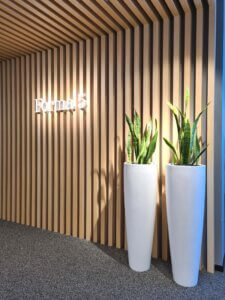
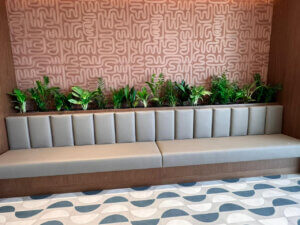
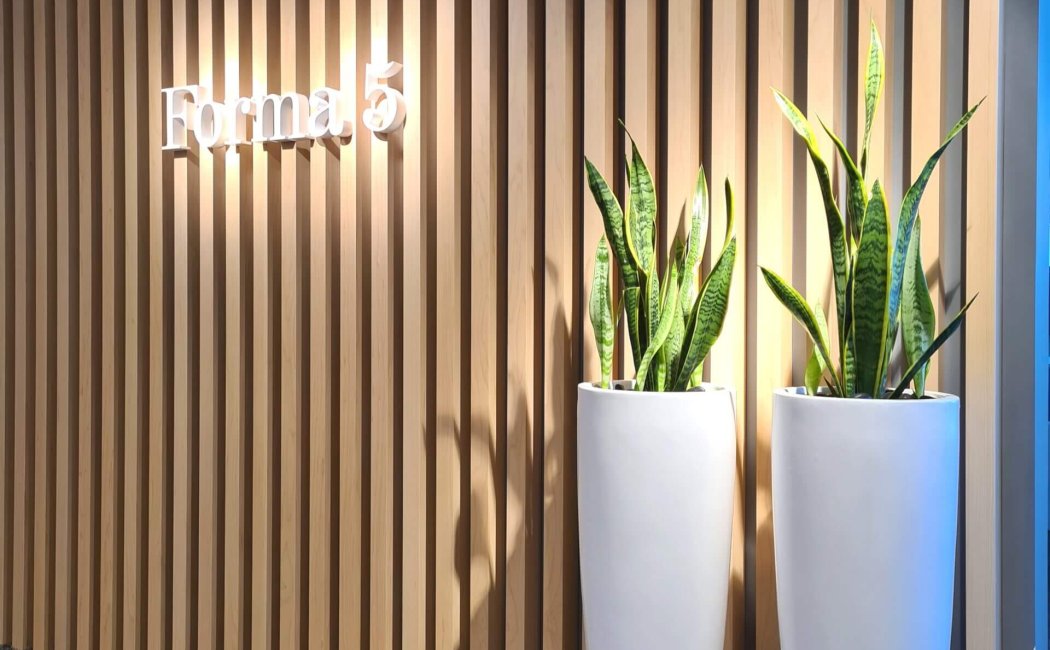
- Low light and low effort: ZZ plants, snake plants, pothos and aglaonema tolerate dim corridors, internal meeting rooms and reception areas with little daylight
- Statement height: Kentia palms, dracaena varieties and rubber plants give vertical impact in lobbies and atriums, and cope well with air conditioning when positioned correctly
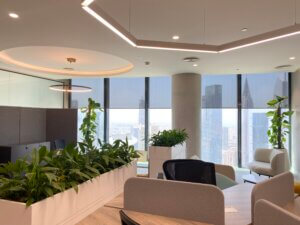
- Bright positions near glazing: strelitzia (bird of paradise) and bright-light ficus varieties reward brighter spots, but need regular attention to stay in shape
- Lush, soft foliage: peace lilies and philodendrons bring a fuller look to hospitality spaces, provided their watering is kept consistent
Species that look spectacular in a design visual but demand very high humidity or constant moisture are the ones most likely to disappoint indoors, which is why experienced plant specialists steer clients away from them.
How Does Placement Change the Choice?
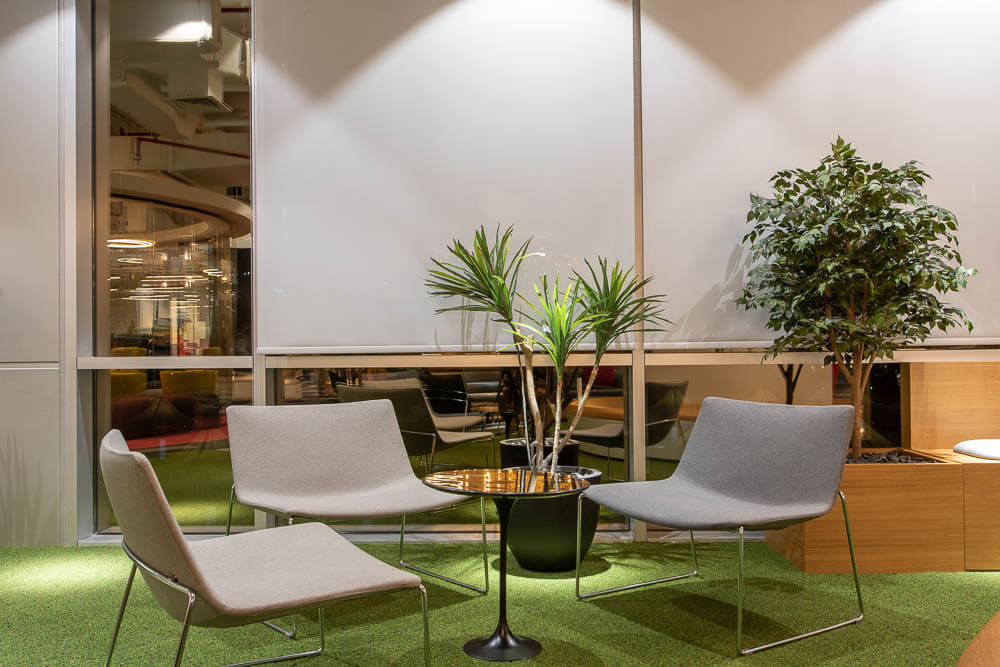
The same plant can thrive in one spot and fail in another a few metres away. A specialist will look at four things before recommending a species: the amount of natural and artificial light, how close the plant sits to air-conditioning vents, how much foot traffic passes by, and the ceiling height available. A restaurant entrance with constant door movement needs a different plant from a quiet boardroom, even if the design style is identical.
What About Desert-Tolerant Plants?
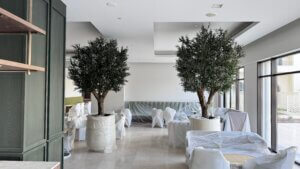
Desert-tolerant plants have a clear role in semi-outdoor spaces such as covered entrances, terraces and open-sided atriums where heat and strong sun are a daily reality. For fully enclosed interiors, the better choice is usually a species adapted to tropical understory conditions, since that is the environment most commercial indoor plants originally come from. Choosing between the two comes down to understanding exactly how each zone behaves across the year, from summer heat to the cooler season.
Why Is Plant Selection Really a Maintenance Decision?
A plant that suits its position is easier to keep healthy, needs fewer corrective visits and rarely needs replacing. A plant that does not suit its position will show stress early and cost more over time, regardless of the quality of care. That is why Cultivate’s horticulturists assess light, air conditioning, water quality and traffic before recommending any species, rather than selecting purely on appearance.
Should the Scheme Use Live Plants, Artificial Plants or Both?
In very dark or very hot positions, high-quality artificial plants can look more consistent than live ones. Many hospitality and office projects combine both, placing live plants where light supports them and artificial planting where it does not. Cultivate supplies and maintains both, so the whole scheme can be cared for by one team under one plan.
How Does Water Quality Affect Plant Choice?
Tap and desalinated water in the UAE is often higher in dissolved minerals than plants prefer. Over time those minerals build up as a white crust on the soil surface and as brown tips on sensitive leaves. Hardier species cope far better, and a horticulturist can manage the problem through correct watering technique, periodic flushing of the soil and, in some cases, a change of species. Water is easy to overlook at design stage, but it quietly shapes how a planting scheme ages.
Which Plants Are Best Avoided in UAE Interiors?
Fiddle-leaf figs, ferns, calatheas and similar humidity-loving plants look wonderful in design imagery, but they are fussy about moisture, light and drafts, and they tend to decline quickly in dry, air-conditioned rooms. They are not impossible, but they demand close attention. In high-visibility spaces such as lobbies and restaurant entrances, where a struggling plant is noticed immediately, dependable species are almost always the smarter specification.
This is where experience pays off. A designer choosing from a catalogue sees leaf shape and colour. A specialist who maintains plants in UAE interiors every day also knows which species hold their condition through summer stress, a busy cooler season and years of air conditioning.
Getting the plant list right is where every successful scheme begins. As a Dubai-based indoor landscaping and plant maintenance company, we look after offices, hotels and restaurants across the UAE, selecting species that suit the light, air conditioning and water conditions each space actually has.
Frequently Asked Questions
1. Why is regular pruning important for indoor plants?
Regular pruning removes dead and damaged leaves, improves airflow and keeps indoor plants healthy and well-shaped.
2. How often should commercial indoor plants be pruned in the UAE?
Light pruning should be done during regular maintenance visits, while extensive shaping depends on plant growth and condition.
3. When is the best time to prune indoor plants in the UAE?
October to April is suitable for extensive pruning, but dead and damaged leaves should be removed throughout the year.
4. Which indoor plants require frequent pruning?
Fast-growing plants such as ficus, pothos and dracaena require more frequent pruning to maintain their shape.
5. What are the risks of improper pruning
Improper pruning can damage healthy growth, weaken plants, encourage rot and increase replacement costs.
Related reading: Specifying Indoor Landscaping in a Fit-Out Project, Live vs Artificial Plants: The Maintenance Reality.
Request a plant selection consultation from Cultivate and see why businesses across the UAE trust us with their plant care.